Emotional health · Case study
Anxiety awareness program
Designed to help individuals understand the nature of anxiety, recognize its signs, and learn effective ways to manage it.
Overview
Naming anxiety takes away its power
Most clients arrive saying "something is wrong with me." Racing heart, restless nights, a mind that won't switch off. The program's first victory is reframing: anxiety is a misfiring alarm system, not a character flaw — and alarm systems can be retrained.
Over eight structured weeks, clients learn to spot their personal triggers, decode body signals early, and respond with proven calming techniques instead of spiraling.
The challenge
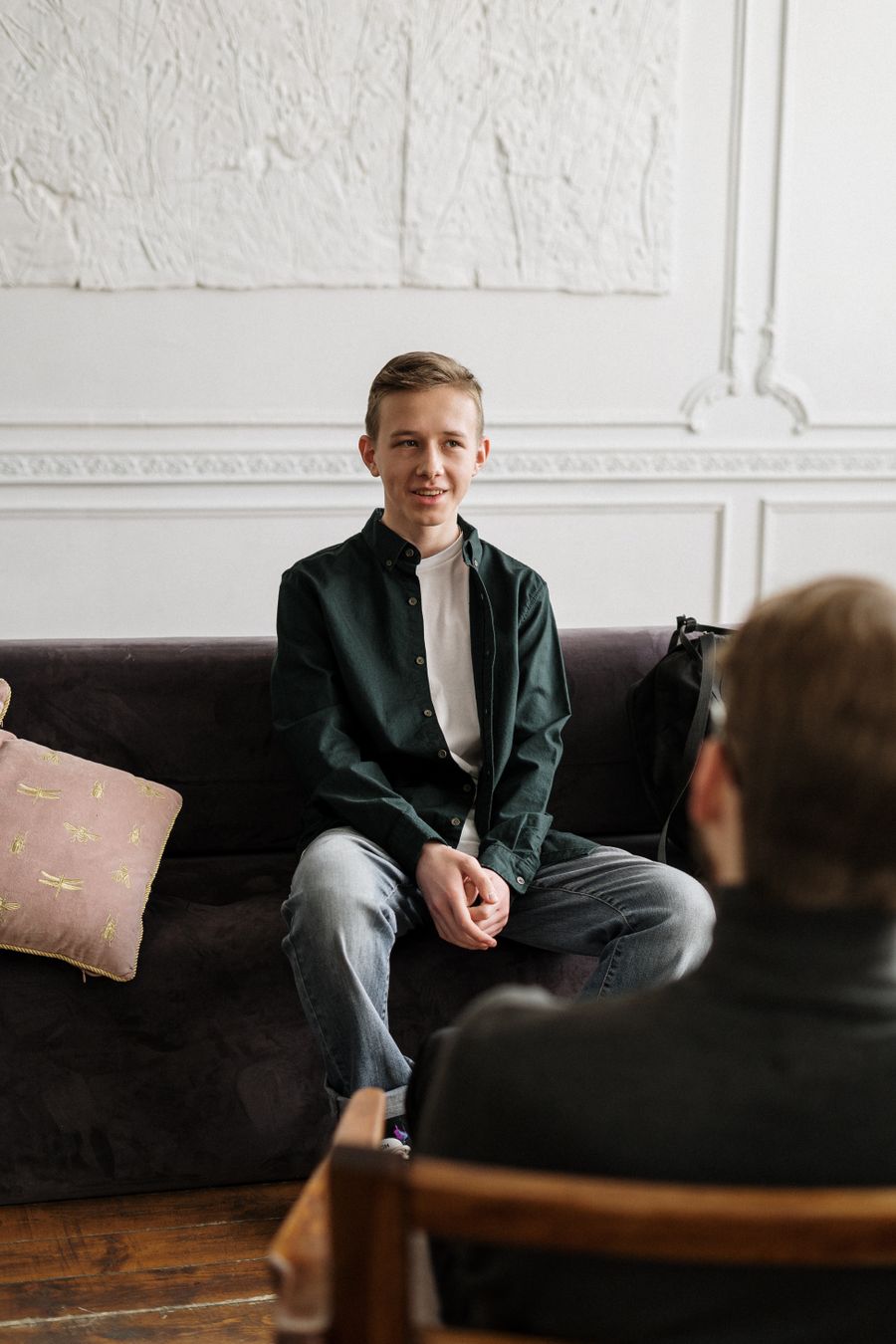
Clients reported constant worry, avoidance of everyday situations, and exhaustion from poor sleep. Many had tried to "push through" for years, which only tightened anxiety's grip and shrank their world smaller.
Our approach
Psychoeducation first — understanding the fight-or-flight loop — then cognitive-behavioral tools, graded exposure to avoided situations, and daily breathing and grounding practices tracked in a simple journal.



Outcomes
What graduates take with them
Early warning radar
Clients learn to catch the first physical signs of anxiety — tight chest, shallow breath — minutes before a spiral starts.
A personal toolkit
Each graduate leaves with 5–7 techniques proven to work for them personally, written into a one-page calm plan.
Reclaimed ground
Step by step, avoided places and situations return to normal life — commutes, gatherings, difficult conversations.
I used to plan my whole week around avoiding panic. Now I have a plan for the panic instead — and most weeks, I don't even need it.– Program graduate, shared with permission
More success stories
 Self-esteem
Self-esteem renewal journey
 Grief care
Grief & emotional healing path
 Service
Individual counseling
Anxiety doesn't have to run your week
Join the program with a single first session — we'll map your triggers together.